
Brick pointing in Lancaster CA - new mortar joints that protect your brick
Crumbling, cracked or sunken mortar between your bricks? We clear out the worn joints and refill them with mortar that's kind to the brick.
- Service
- Brick pointing
- Call
- (661) 952-4077
Is the mortar in your brick wall wearing out?
Sandy mortar at the base
You rub a joint and it turns to sand, or grit keeps collecting along the bottom of the wall. That usually means the mortar has reached the end of its life, and the longer it goes, the deeper the joints wear and the more we have to clear out.
Joints sunk behind the brick
The mortar sits back from the face of the brick, so the joints look like dark shadow lines. Water and dirt settle in those grooves and work into the wall, which is how a pointing job slowly turns into a brick repair job.
Cracks along the brick edges
A thin crack runs between the mortar and the brick, or a joint has small holes you could poke a key into. It usually means the mortar has let go of the brick, and if it's left alone, bricks can work loose and need resetting before the joints can be pointed.
What is brick pointing, and what goes into the job?
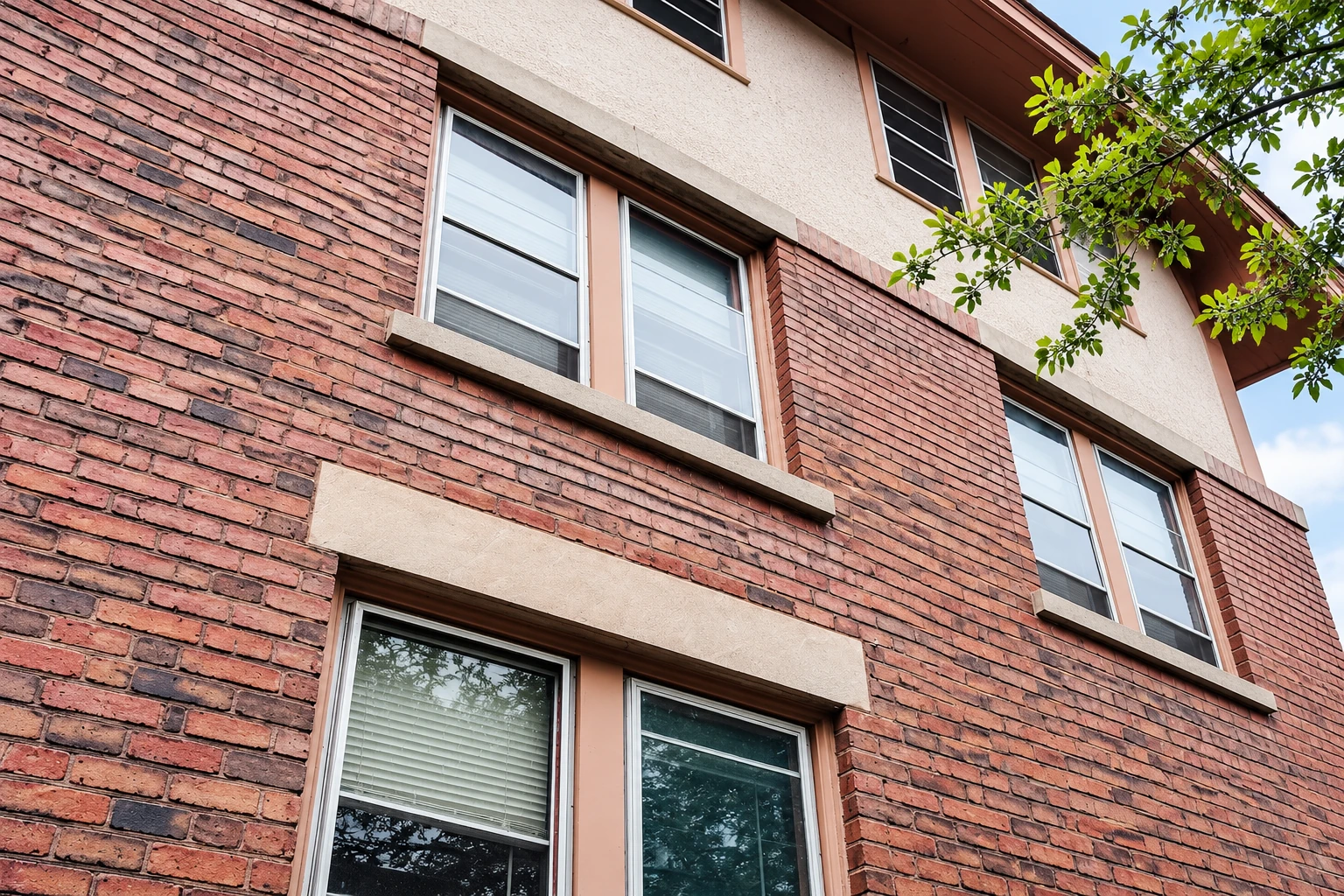
Brick pointing, also called repointing, means clearing the worn mortar out of the joints between your bricks and packing them with fresh mortar. For a brick wall or chimney in Lancaster, it's the repair that keeps the wall in service, because the brick itself can last well over 100 years while the joints are the part that wears out.
Most of the brick we see around Lancaster is a house front, a chimney, a planter or a garden wall, and the joints rarely wear evenly, so part of the job is sorting out what needs doing now and what can wait. The price comes down to how much wall needs it, how deep and hard the old mortar is to clear, how high we have to work and whether some bricks need brick repair first. The schedule turns on those same things, plus the weather the new mortar needs to cure and any permit the job calls for. My written estimate spells out which joints we'd point, how we'd do it and why.
Details to note before an estimate
- Which walls, chimney or planters to include
- Rough length and height of each wall
- Where joints are crumbling or cracked
- Loose bricks or old mismatched patches
How we handle brick pointing on your wall
I start by working out why the joints failed, because a wall that's wet or moving will crack new mortar the same way it cracked the old. Our crew then clears the worn mortar back to sound material, and we mix the new mortar to suit your wall so it's no harder than what was there, since mortar that's too strong can damage the brick around it and the brick is the part you want to keep. One preservation guide warns that power saws almost always chip the brick edges on thin joints like most brick walls have, so I'll tell you on the estimate how we plan to clear yours. We pack the joints, shape them to match the rest of the wall and clean the brick face before we leave.
Sometimes the joints are only the symptom. Cracks that step up through the mortar like a staircase can mean the house has settled, and then we talk about foundation repair first, because pointing over a wall that's still moving usually just cracks again. When the worn joints are on a chimney, I look at the whole stack, since chimney repair on the crown and loose top bricks often goes along with the pointing.
Work that often goes with repointing
Foundation repair
If cracks in your brick step up the wall or doors start sticking, the house may be moving, and that comes before new mortar.
Chimney repair
A chimney takes the most weather of any brick on the house, so a cracked crown or loose top bricks often come with worn joints.
What happens after you call about brick pointing in Lancaster?
Call or send a message
Call (661) 952-4077 or use the form, and tell us where the brick is on your house. We'll set a time for me to come out that suits you.
I look at the wall
I check how deep the mortar has worn, how hard the old mortar is and what's behind the damage. You get a written estimate in plain words that says what we'd do, how we'd clear the joints and why.
We handle permits and work
If your job needs a permit, we apply for it and set up the inspections the city makes along the way, then our crew does the pointing while I check in. It's slow, noisy work, and a tall wall or chimney may have scaffolding up for a while.
We walk the finished joints
I walk the finished wall with you and point out anything worth keeping an eye on. Satisfaction guaranteed on every job.
Questions before you book brick pointing
How much does brick pointing cost in Lancaster?
There's no flat price, because brick pointing is priced by the wall in front of us, not by a chart. What moves it most is how many joints need work, how deep and hard the old mortar is to clear, how high we have to reach and whether any bricks need resetting first. I'll give you a written figure after I've seen the wall, and I'm glad to go over any line of it as many times as you like.
How do I know if my brick needs repointing?
Your brick needs repointing when the mortar is crumbling, has holes or hairline cracks, has cracked away from the brick, or has worn back more than 1/4 inch from the face. You can check by setting the end of a tape measure into a few joints on the worst wall and seeing how far back the mortar sits. If only one area shows it, that may be all that needs doing now, and I'll tell you what can wait.
How long does new mortar last on a brick wall?
Mortar joints typically last more than 25 years, while the brick around them can outlast them several times over. That's why pointing is upkeep you plan for every so often, and why the mortar we mix is meant to be the part that wears, not your brick.
Do I need a permit to repoint brick in Lancaster?
Lancaster requires a permit for any work that physically changes or adds value to your property, and the city's Building and Safety office decides whether a given repointing job needs one. The city issues permits only to an owner who lives at the property, a licensed contractor, or an agent with a letter of authorization, and a contractor needs a city business license and, where it applies, workers' compensation on file first. Outside the city, the county may be the office in charge, so we check with whichever one covers your address before we start.
Does a brick pointing contractor need a license in California?
Yes, unless the whole job is $1,000 or less, needs no permit and the person doing it has no employees, which is the only case California's minor work exemption covers. The state also has its own license class for masonry contractors, covering brick, block, and natural and manufactured stone. We're licensed and fully insured.
What is the best time of year to repoint brick?
Spring and fall are what one national cost guide suggests, because mortar cures best when daytime temperatures stay between 40 and 90°F for at least 24 to 72 hours. We plan the pointing days around the forecast for your job, and if your wall can wait for a better stretch, I'll tell you so.
Get a written estimate for your brick pointing
We reply within one business day. I come out myself, look at the joints and what's behind the wear, and leave you a free written estimate in plain words, with no obligation to go ahead.
Explore our services and areas
Services
Send us photos of your worn joints
A few photos of the worst joints and where the wall sits on your house help me know what I'm walking up to before I come out.